Walking Safaris: Why Zambia Leads Africa
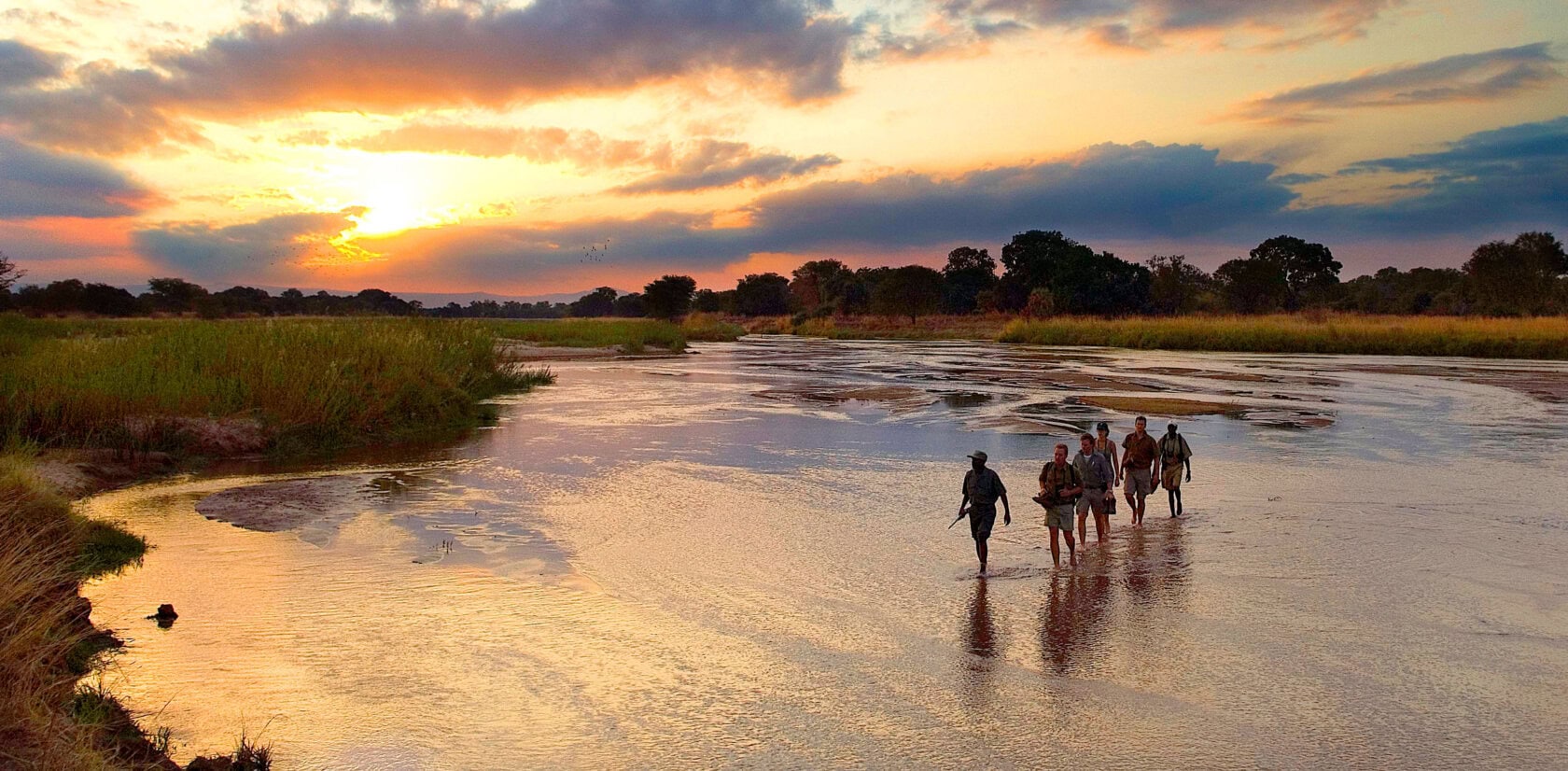
A walking safari is Africa at its most honest—quiet, slow, intimate, and deeply sensory. Zambia is the birthplace of the walking safari and still leads the continent in guiding expertise, safety, and wilderness quality.
Here, you experience the bush the way guides do:
through tracks, scents, sounds, and stories written into the land.
This guide breaks down the best walking safari regions—South Luangwa, Kafue, and Lower Zambezi—and explains why Zambia remains the premier destination for travelers who want depth, silence, and a closer connection to nature.
Why Walking Safaris Matter
A walking safari slows everything down. Instead of scanning the horizon from a vehicle, you move quietly through nature—feeling the temperature shift, hearing the alarm calls of baboons, noticing the difference between antelope tracks.
What you learn on foot stays with you forever.
What Is a Walking Safari?
A walking safari is a guided exploration of the African bush on foot. Instead of observing wildlife from a vehicle, you walk quietly with highly trained guides who interpret:
- tracks
- behavior
- bird calls
- vegetation
- ecosystem patterns
The goal isn’t to chase animals—it’s to understand the landscape.
Walking shifts your safari from passive viewing to active participation, which is why Zambia’s walking culture is so beloved by seasoned travelers.
Why Zambia Is the Home of the Walking Safari
South Luangwa National Park is where the walking safari was pioneered by Norman Carr in the 1950s. Today, it remains the world’s most authentic and best-managed walking safari destination.
What makes it special:
- Highly trained, veteran guides
- Abundant wildlife
- Diverse terrain
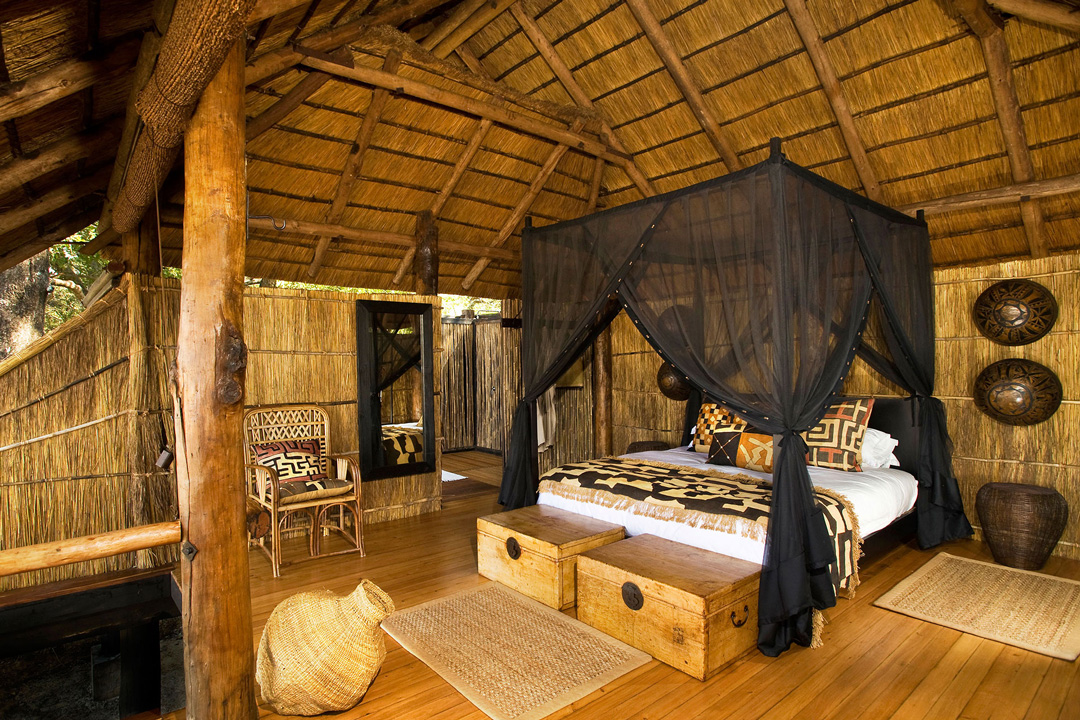
- Seasonal bush camps designed for walkers
Walking here is both safe and electrifying.
South Luangwa is famous for:
- leopard density
- riverine forests
- oxbow lagoons
- exceptional guides
- classic bush camps connected by footpaths
Best For:
travelers seeking an authentic, rustic, old-school safari with world-class guiding.
2. Kafue National Park: Wilderness Beyond Roads
Kafue’s expanses allow for long, flowing walks across:
- Riverine forests
- Open plains
- Miombo woodland
- Remote, untouched terrain
It’s ideal for travelers seeking space, silence, and solitude.
Kafue offers some of Africa’s most diverse walking terrain:
- miombo woodlands
- floodplains
- dambos
- palm islands
Best For:
travelers seeking space, solitude, and remote, trail-less wilderness.
3. Lower Zambezi: Walking With the River Beside You
Walking here means:
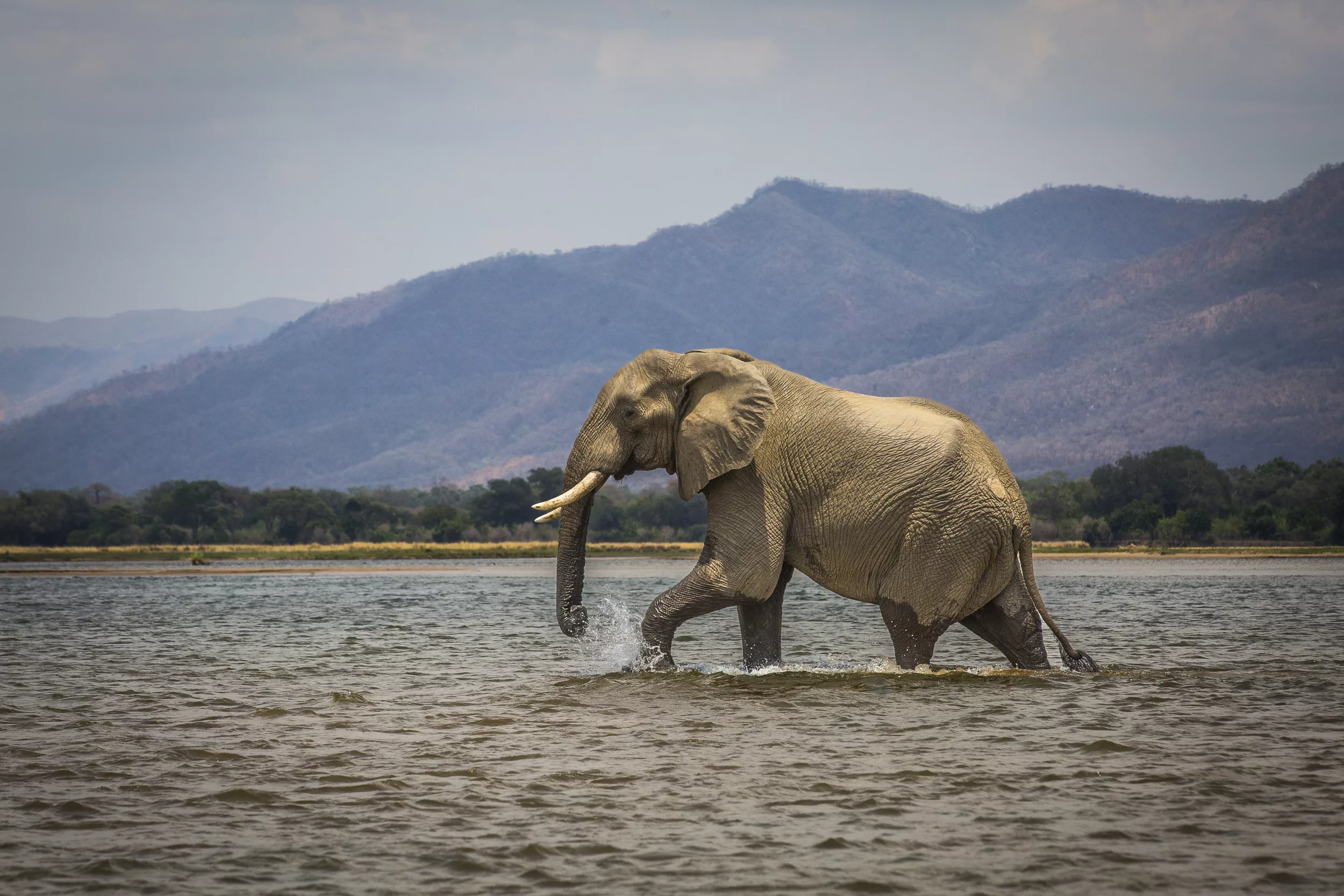
- Fresh elephant tracks
- Hippo trails
- Birdlife along the river
- Giant trees, cool shade, and dramatic escarpments
Lower Zambezi offers the best combo of walking + canoeing + boating + game drives in Africa.
Walks often follow river terraces rich in elephant activity, with high chances of tracking:
- elephants
- buffalo
- hippo pathways
- large raptors
- carmine bee-eaters (seasonal)
Best For:
those who want walking combined with canoeing, boating, and scenic riverside camps.
What You See on a Walking Safari
Contrary to expectation, walking safaris aren’t about getting close to big animals (though you often do). They’re about understanding the ecosystem.
On foot, your focus shifts from “big game only” to everything that makes the ecosystem work.
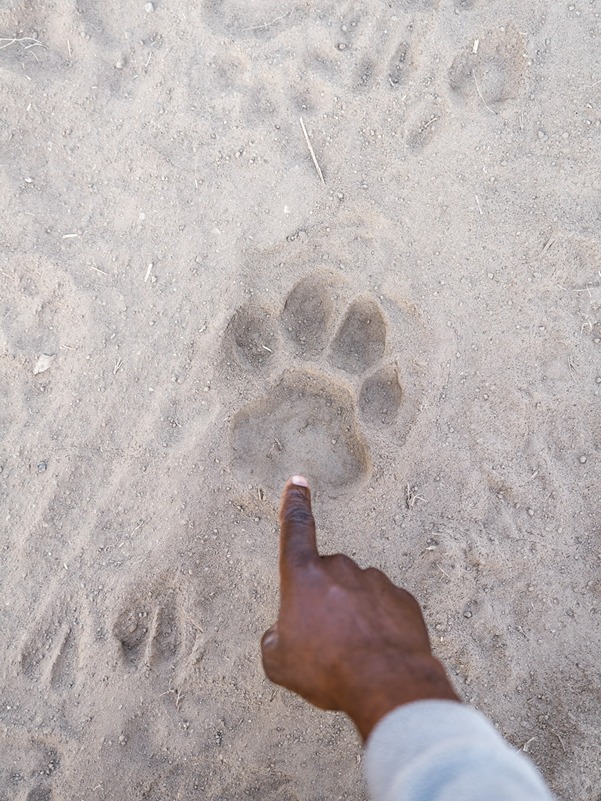
You learn to read:
- paths worn by elephants
- dust baths used by buffalo
- territorial markings from lions
- middens used by hyena clans
- the meaning behind bird alarm calls
A good guide turns the bush into a living textbook.
Typical sightings include:
- Elephant tracks and behavior
- Birdlife and nests
- Small predators like honey badgers and mongooses
- Insects, trees, and medicinal plants
- Predator tracks and territorial markings
Walking is about depth, not distance.
Safety on Walking Safaris
Zambia sets the highest standard on the continent:
- lead guide must be fully armed
- backup guide required
- strict approach distances
- wind direction awareness
- animal psychology decision-making
Guides can identify stress signals long before a guest would ever notice them.
This is why walking in Zambia is both safe and exhilarating.
June–October: Best
- dry season
- short grass
- good visibility
- concentrated wildlife
November–December: Wetter but dramatic
- storms
- migratory birdlife
- harder walking
Walking is not recommended in Jan–April due to heavy rains.
Where to Stay for Walking Safaris
South Luangwa (Walking-Focused Bush Camps)
- Time + Tide Mchenja
- Remote Africa Chinzombo / Chikoko Trails Camps
- The Bushcamp Company properties
Kafue (Remote Wilderness Camps)
- Musekese Camp
- Nanzhila Plains Camp
Lower Zambezi (Mixed-Activity Camps)
- Old Mondoro
- Tusk & Mane
- Chiawa Camp (walking + canoeing + boating)
Why Walking Changes Your Safari Forever
Travelers return from Zambia with stories of:
- Elephant encounters on foot
- Learning to read the bush like a guide
- Sitting quietly under a mahogany tree listening to the wild
- Walking from camp to camp across remote terrain
These moments don’t happen in a vehicle.
A walking safari is Africa at eye level—raw, immersive, and humbling.
Is This Experience Right for You?
Who Walking Safaris Are Perfect For
- adventurous travelers
- photographers
- people who’ve done safaris before
- those who want silence, depth, and slow travel
Who They’re Not Ideal For
- first-time safari travelers (not always)
- Big Five box-checkers
- people uncomfortable with long walks
- those expecting ultra-luxury every night
FAQ
Is a walking safari safe?
Yes. Zambia’s lead and backup guides are among the most rigorously trained in Africa, with strict safety protocols.
How close do you get to wildlife?
Encounters are based on animal behavior—safely distanced, not intrusive.
Do you need to be very fit?
Moderate fitness is enough. Walks are slow and steady.
Can you see big animals?
Yes, but the highlight is understanding tracks, signs, and animal behavior.
What should I pack for a walking safari?
Neutral clothing, good boots, hydration, hat, and lightweight layers.




.svg)






.svg)