Liuwa Plain Explained: Africa’s Last True Wilderness
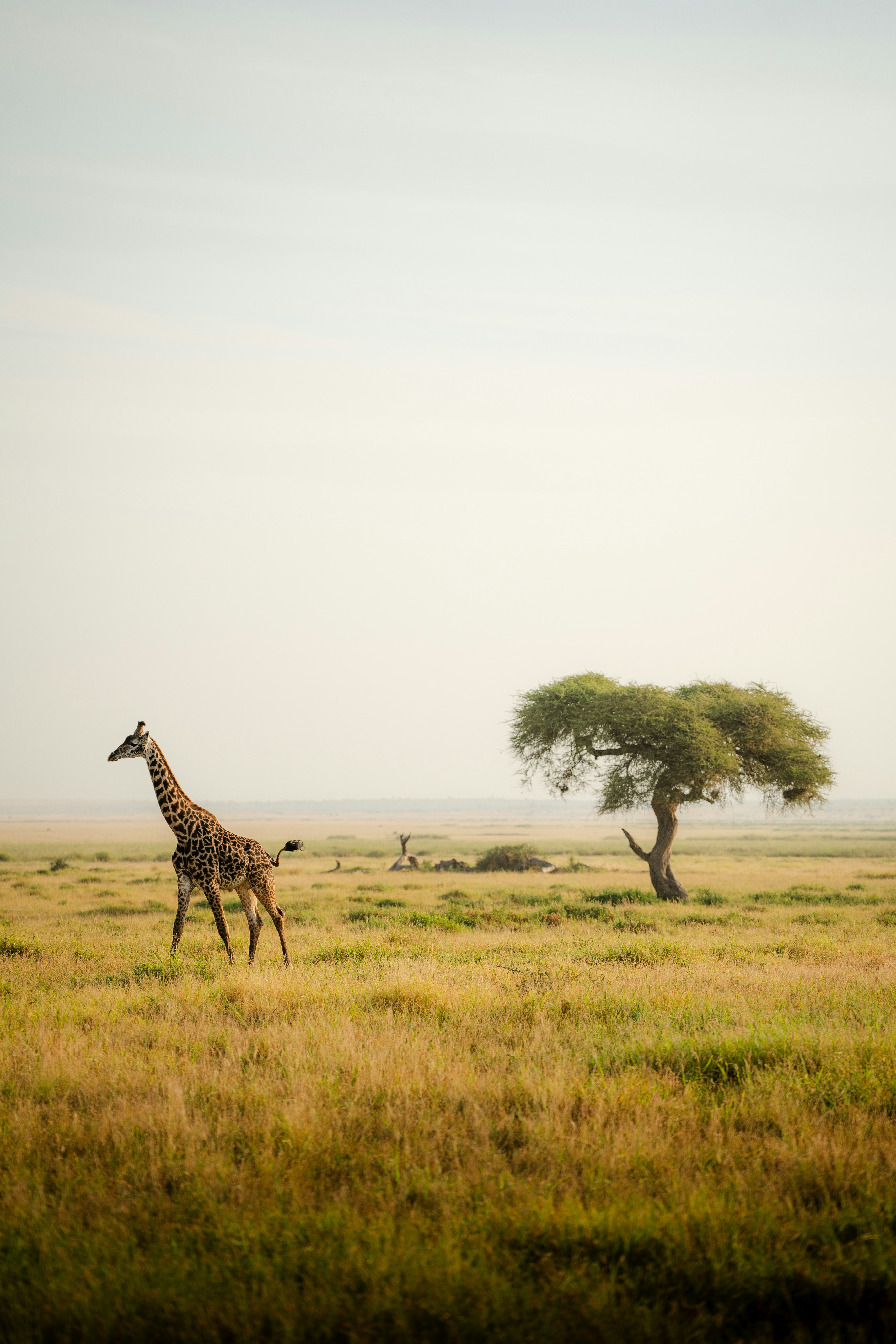
Liuwa Plain is one of Africa’s last truly wild places — a remote, windswept grassland where storms roll across the horizon, hyena clans reign as apex predators, and tens of thousands of wildebeest move with the rains.
Few travelers ever reach this corner of western Zambia. Those who do often describe it as the most elemental safari experience of their lives — vast, empty, ancient, and profoundly humbling.
This guide explains where Liuwa is, how to get there, when to visit, and why serious safari-goers consider it one of Africa’s most extraordinary hidden wildernesses.
1. Where Is Liuwa Plain National Park?
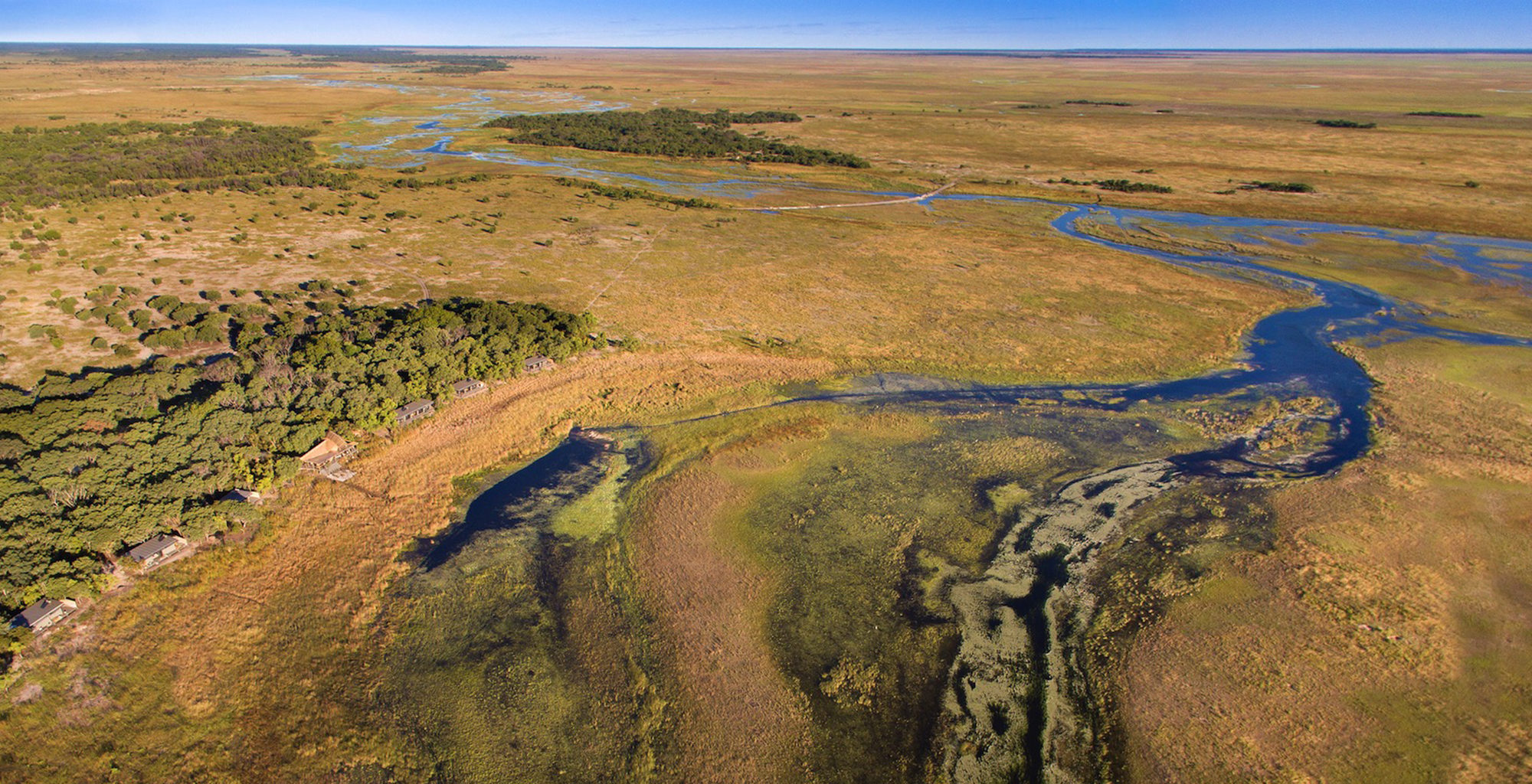
Liuwa lies in western Zambia, near the remote border with Angola.
It’s part of the Barotse Floodplain, one of Africa’s great wetland ecosystems.
Because of its distance from major airports, access is typically via:
- Light aircraft charter (most common)
- Seasonal road transfers (long and rugged)
This remoteness is exactly what protects its magic.
Liuwa sits in the far west of Zambia, within the Barotse Floodplain near the Angolan border. This region is defined by:
- seasonal wetlands
- immense grass plains
- dramatic storm fronts
- minimal human settlement
The park is co-managed by African Parks, whose long-term conservation work has restored wildlife and protected the land from poaching.
2. The Second-Largest Wildebeest Migration in Africa
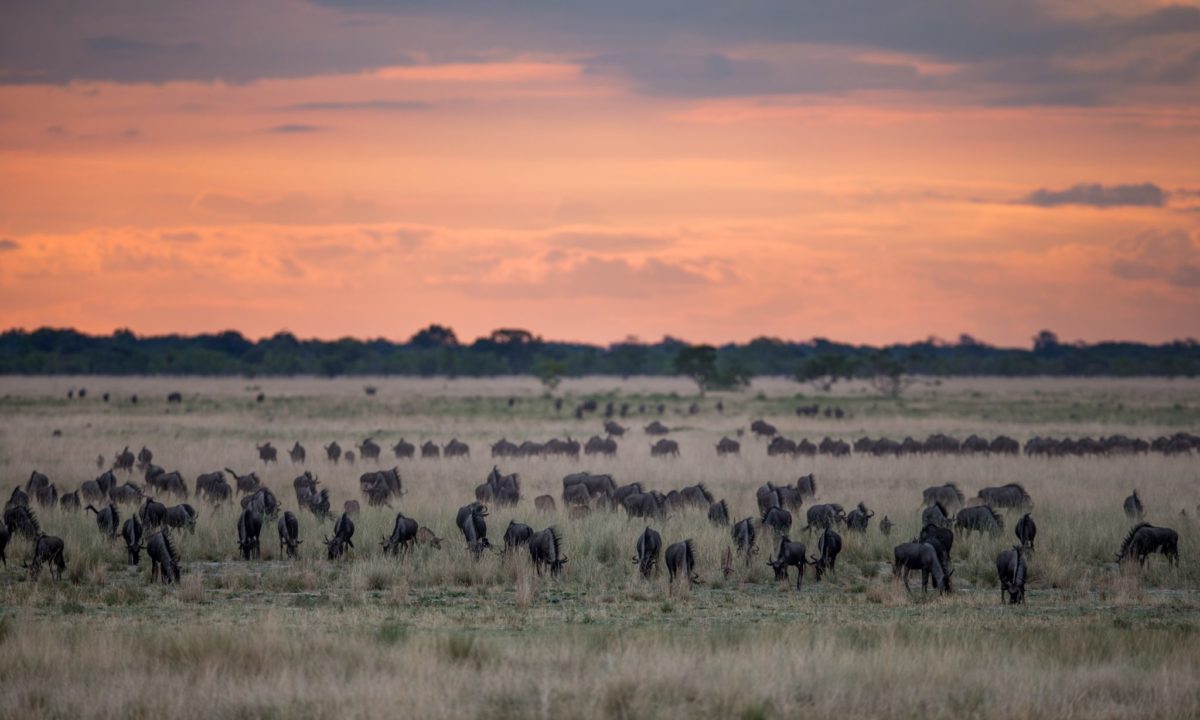
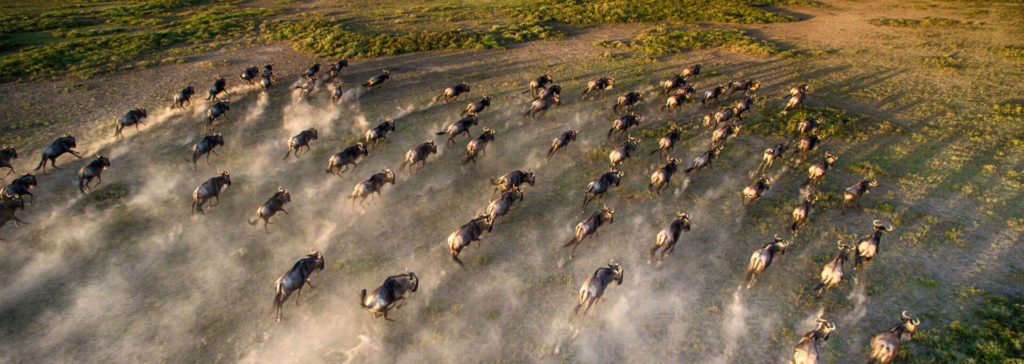
Most travelers know about the Serengeti/Mara migration—but few realize that Liuwa hosts Africa’s second-largest wildebeest movement, numbering tens of thousands.
Key features:
- Happens between November and December
- Rainstorms trigger movement
- Phenomenal photographic opportunities
- No crowds—sometimes no other vehicles at all
- Predator interactions with hyena clans and cheetah
It’s migration without mass tourism.
Summary of Liuwa Migration Timing
- Late October–November: First storms → wildebeest begin moving
- November–December: Peak migration + dramatic skies
- January: Calving season (weather dependent)
This is Africa’s second-largest migration, but with none of the crowds.
3. How to Get to Liuwa Plain
Reaching Liuwa is part of the adventure. The park is accessible via:
Charter Flights (Recommended)
- Most itineraries include private charters from Lusaka or Mfuwe.
- Flight time: ~2 hours.
Seasonal Road Access
- Only feasible in dry months (May–July).
- Long, rugged, slow — true expedition-style travel.
Because of its remoteness, Liuwa is best visited as part of a fly-in safari.
4. Hyena Clans: Liuwa’s Apex Predator
Liuwa has a unique predator dynamic.
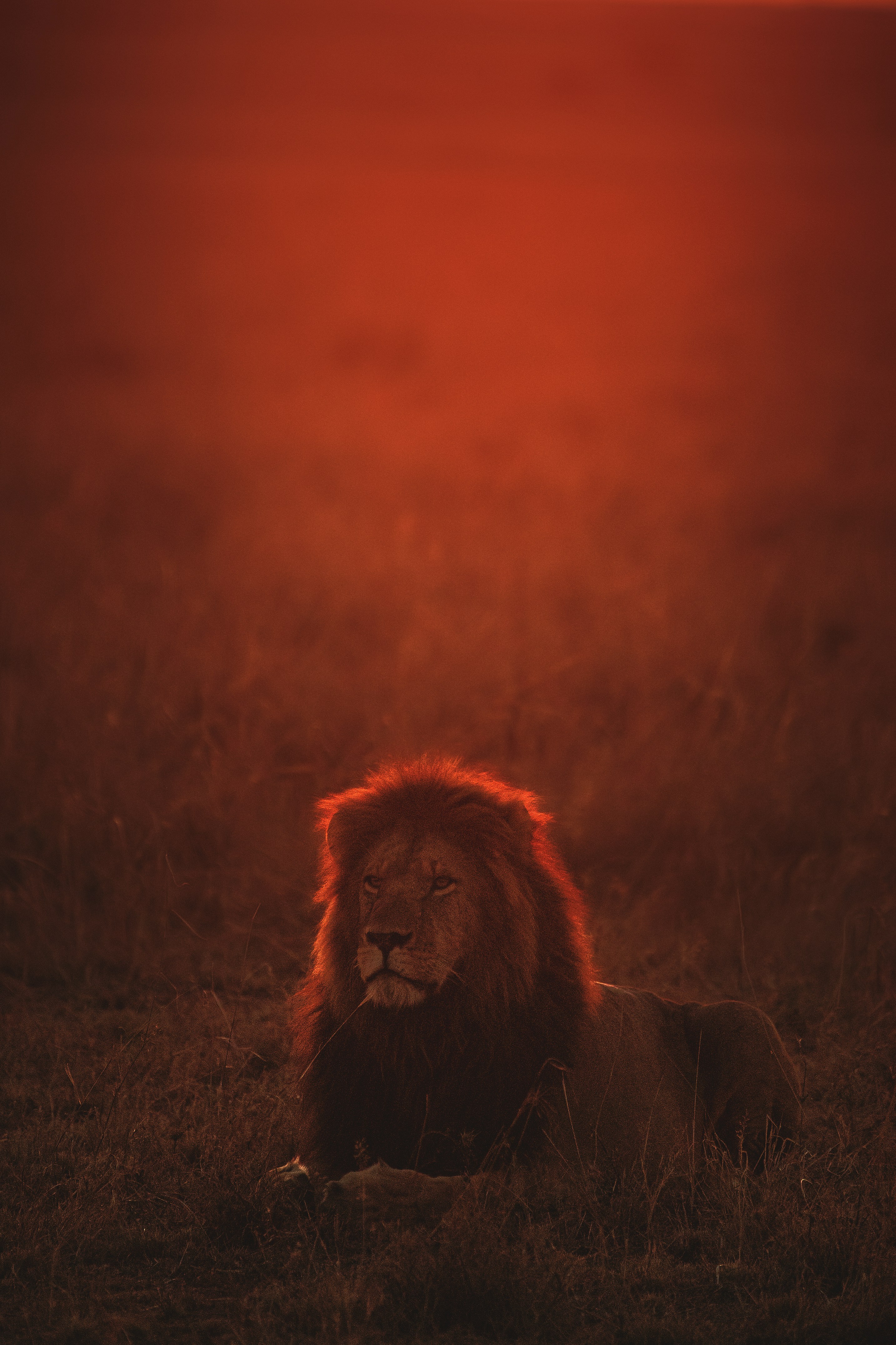
Instead of lions ruling the plains, hyena clans dominate, with some of the highest hyena densities in Africa.
Why it’s fascinating:
- Complex social behavior
- Vocalizations at sunrise and sunset
- Intense interaction between clans
- Incredible photographic moments
This is one of the best places in Africa to observe hyena behavior up close.
5. Cheetahs & Side-Striped Jackals
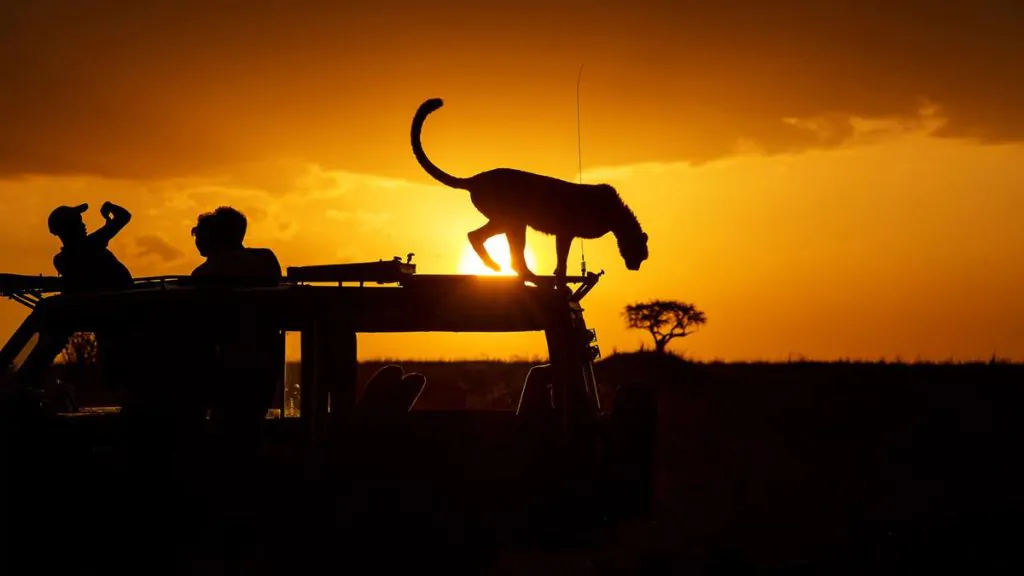
Liuwa is open cheetah country—flat, expansive, and ideal for high-speed hunting.
Other highlights include:
- Side-striped jackals
- Oribi antelope
- Wattled cranes
- Massive birdlife concentrations after the rains
This park is extremely seasonal.
Month-by-Month Guide
November–December (Best)
- Wildebeest migration
- Dramatic storms
- Peak predator activity
January–March (Challenging)
- Heavy rains
- Flooded plains
- Limited vehicle movement
April–July (Good)
- Drying floodplains
- Clear skies
- Easier access
August–October (Low wildlife density)
- Pre-rain waiting period
- Hot, dry, minimal movement
7. Who Liuwa Is Not For
It’s important to be honest: Liuwa is not suitable for everyone.
Not ideal for travelers who:
- Want Big Five checking
- Need easy access
- Prefer ultra-luxury lodge density
- Don’t like long travel days
Liuwa is for those who seek depth, silence, and raw wilderness.
8. Where to Stay in Liuwa
Liuwa has only a handful of places to stay, reinforcing its exclusivity.
King Lewanika Lodge (Time + Tide)
- The only true luxury lodge in the park
- Award-winning design
- Unbeatable access to the plains
- Walking safaris, day & night drives
Seasonal expedition-style camps
- Operated by select mobile safari companies
- Ideal for photographers and repeat safari-goers
This scarcity of accommodation is part of what keeps Liuwa wild.
9. FAQ
Is Liuwa Plain worth visiting?
Yes — if you're seeking raw, remote, crowd-free wilderness. It’s not ideal for Big Five seekers, but exceptional for photographers and seasoned safari-goers.
When is the best time to visit Liuwa?
November–December during the wildebeest migration and dramatic storm season.
How do I get to Liuwa Plain?
Most travelers arrive via charter flight from Lusaka or Mfuwe. Road access is seasonal and expedition-style only.
Is Liuwa good for wildlife?
Yes — especially hyenas, wildebeest, cheetahs, jackals, oribi, and wet-season birdlife.
Can you combine Liuwa with other Zambia parks?
Absolutely. Most itineraries pair it with Kafue, South Luangwa, or Lower Zambezi.
Conclusion
Liuwa Plain is one of the last places in Africa where wilderness still feels ancient and unbounded. It rewards travelers who venture beyond the beaten path with something truly rare: solitude, authenticity, and nature on its own terms.
For adventurous travelers, photographers, and repeat safari-goers, Liuwa is a revelation.



.svg)





.svg)