Introduction
Packing for safari often feels more intimidating than the safari itself. Between luggage weight limits, changing temperatures, and specialized gear, it’s easy to overpack—or bring the wrong things entirely. At Wild Atlas Explorations, we help travelers pack with confidence, simplicity, and practicality.
This 2025 packing list reflects what you truly need for East & Southern Africa, including gorilla trekking, walking safaris, and internal safari flights.
1. Luggage Requirements (Read This First)
Soft-Sided Duffel Required
Most safari flights (Kenya, Zambia, Uganda) allow:
- Soft-sided duffel only
- 15–20 kg (33–44 lbs) total
- No hard suitcases
We will confirm your exact weight limit before your trip.
2. Clothing: The Essentials
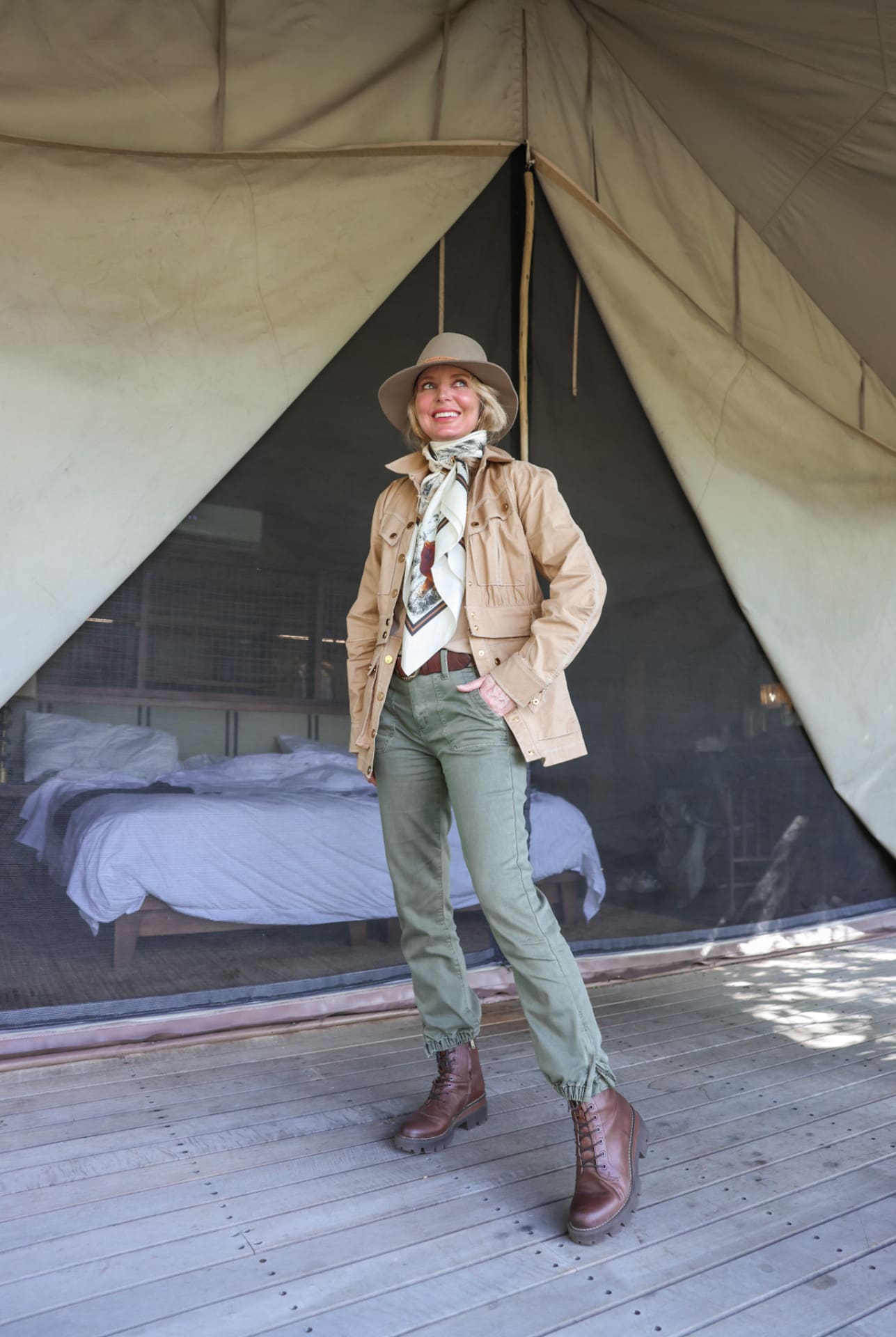
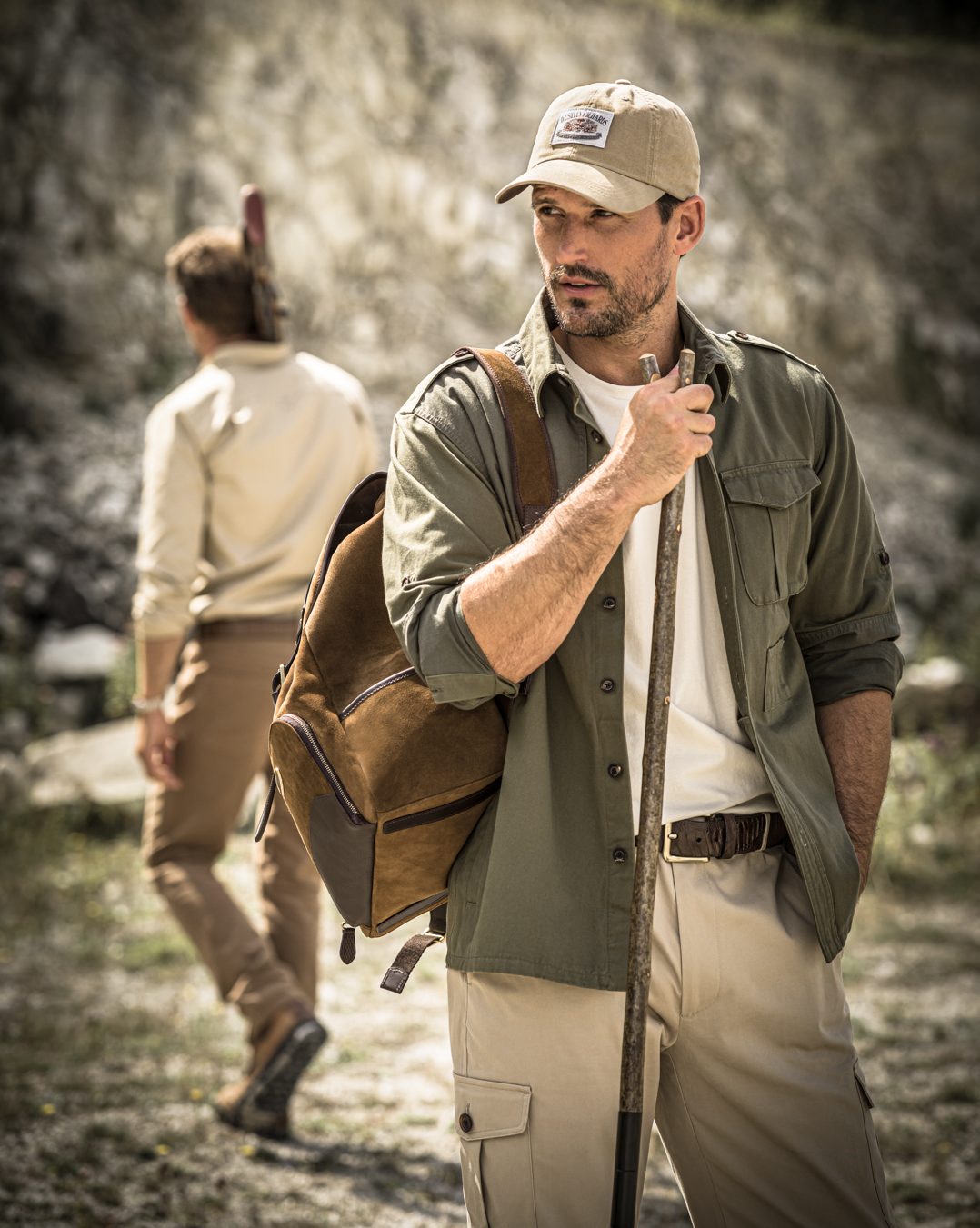
Safari clothing is about comfort, practicality, and blending into the environment.
Neutral Colors
Choose greens, tans, browns, greys. Avoid:
- Bright colors
- White
- Dark blue/black (attracts tsetse flies)
Recommended Clothing List
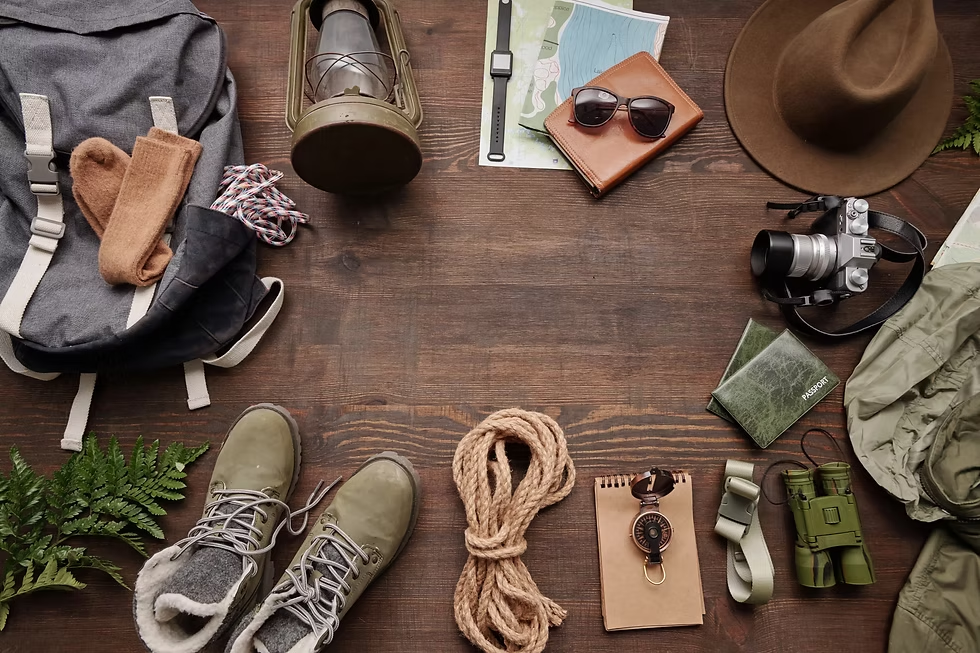
For 5–10 days, pack:
- 2–3 lightweight long-sleeve shirts
- 2–3 lightweight T-shirts
- 2 pairs of lightweight safari trousers
- 1 pair of shorts
- 1 warm fleece or puffer jacket (mornings are cold)
- 1 light rain jacket
- 1–2 sets of loungewear for camp
- A swimsuit
- Breathable socks (merino ideal)
Footwear
- Comfortable closed-toe walking/wildlife shoes
- Flip-flops or slip-ons for camp
- For gorilla trekking: sturdy hiking boots
3. Weather Considerations
Safaris mean fluctuating temperatures:
Mornings: 45–55°F (7–13°C)
Midday: 80–90°F (27–32°C)
Evenings: 50–70°F (10–21°C)
Layering is essential.
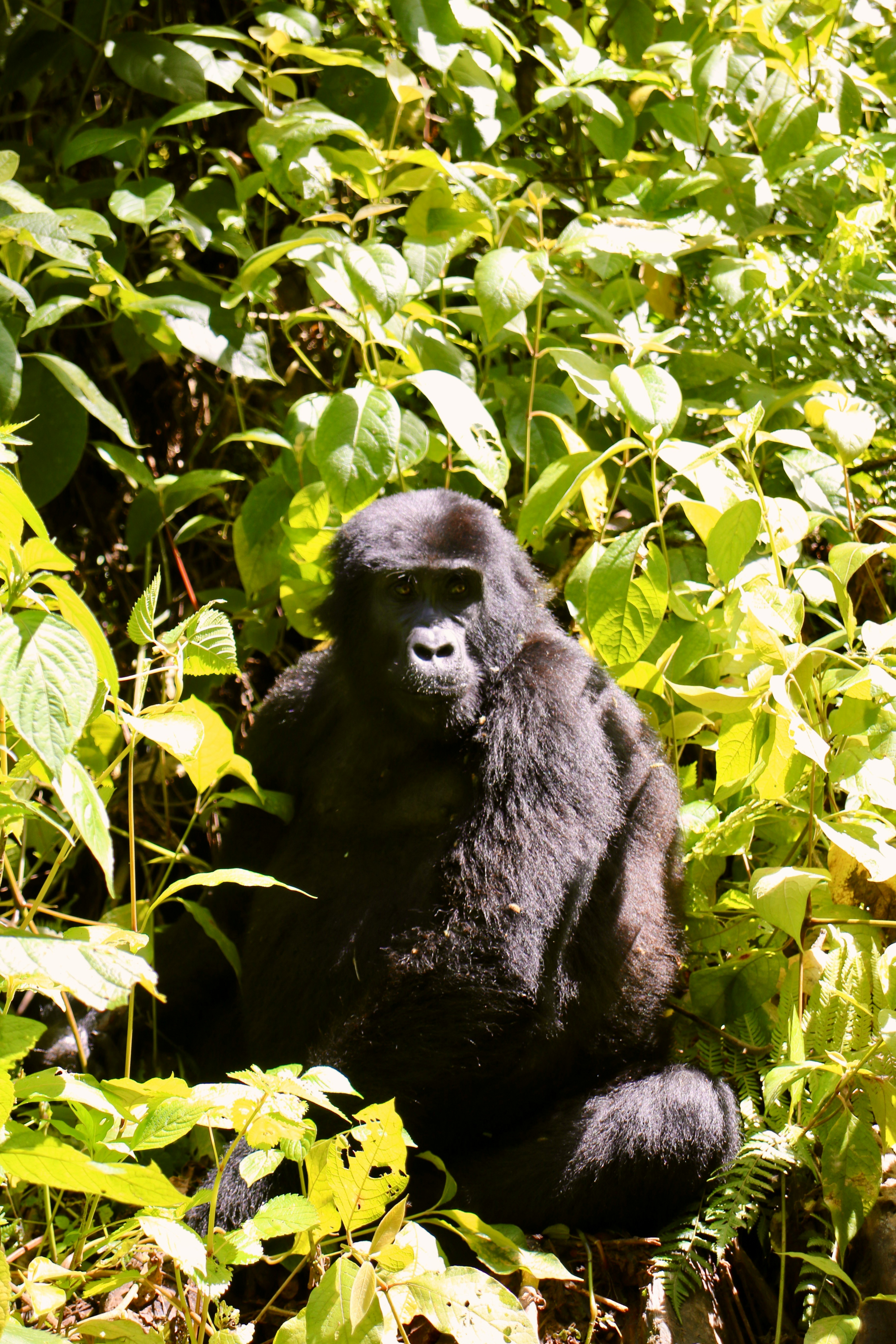
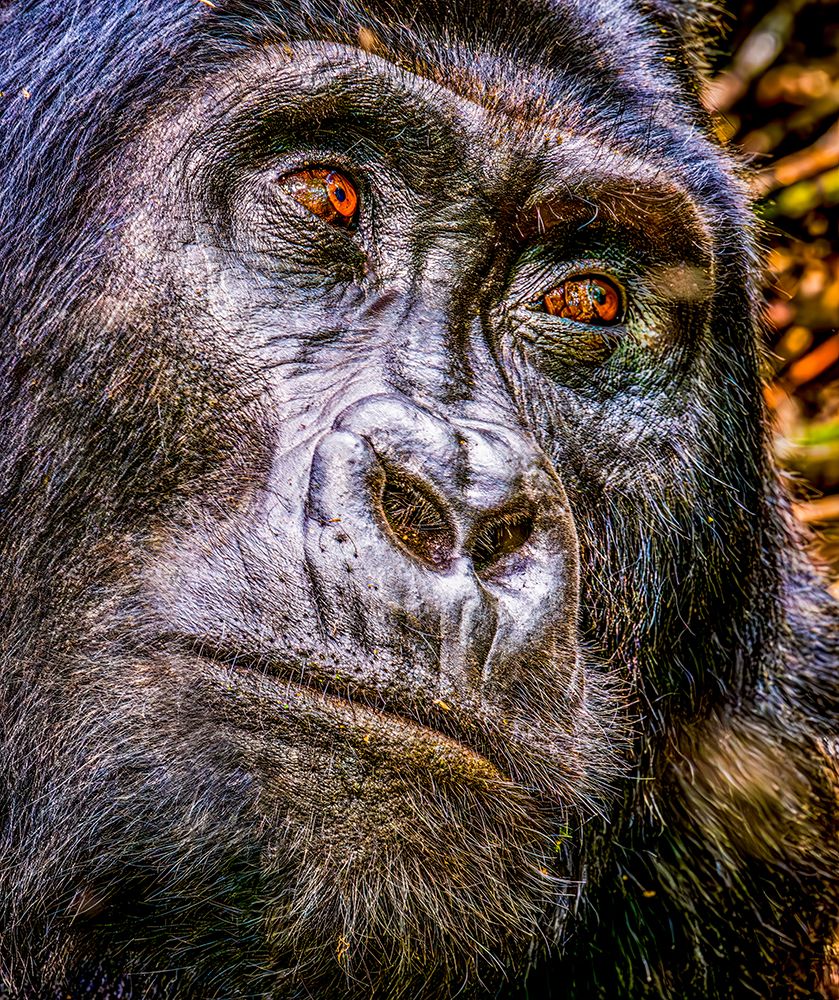
4. Packing for Gorilla Trekking (Uganda/Rwanda)
Gorilla trekking is unique.
Must-Haves
- Waterproof hiking boots
- Gaiters (mud protection)
- Gardening gloves (for vines + nettles)
- Long, lightweight trekking pants
- Quick-dry shirt
- Waterproof jacket
- Backpack with rain cover
- Reusable water bottle (Nalgene or similar)
Porters are essential for comfort and safety—and support the local community.
5. Cameras & Optics
Optional but highly recommended:
- A good-quality camera with 200–400mm lens
- Smartphone stabilizer
- Extra memory cards
- Binoculars (8x42 is ideal)
Most lodges provide binoculars—but bringing your own is worth it.
6. Health & Safety Essentials
- Malaria medication (we’ll advise)
- Personal prescriptions
- Basic first-aid kit
- Sunscreen (reef-safe preferred)
- Insect repellent
- Hand sanitizer
- Eye drops (dry dust conditions)
7. Electronics
- Multi-country adapter
- Power bank
- Kindle / iPad for downtime
- Charging cables
- Camera batteries
Most safari lodges have charging stations.
8. What NOT to Bring
- Hair dryers (most lodges restrict wattage)
- Hard suitcases
- Drones (illegal in many national parks)
- Excessive jewelry
- Bright or camo clothing
Conclusion
Packing for safari doesn’t need to be complicated. With a thoughtfully curated list and smart layering, you’ll be comfortable, prepared, and ready for the adventure of a lifetime.

.svg)






.svg)